CAD design
Precise 3D models and 2D drawings that turn a concept into a buildable design.
- 3D part and assembly models
- Manufacturing drawings with tolerances
- Design for manufacture and assembly
UK mechanical design engineering
Concept, 3D CAD, analysis and manufacturing drawings for machines and products, straight from the engineer who designs them.
Also from Proxom: Part Builder

Services
Four services that take a product from an idea on paper to drawings a workshop can build from. Use one, or all of them together.
Precise 3D models and 2D drawings that turn a concept into a buildable design.
Structural, thermal and motion checks, so the design is safe before anything is made.
Functional prototypes designed and documented, then tested and refined with your workshop or supplier.
The documents your suppliers need to quote and manufacture the final product.
Portfolio
Machines, mechanisms and products designed from concept to detailed CAD.
How we work
You see the design at every step and decide before the next one starts.
We listen, ask the right questions and agree the scope, timing and price.
3D CAD models built for function and for the way the part will be made.
Simulation and FEA where the project needs it, with the numbers shown.
Prototype-ready drawings; testing and refinement with your workshop or supplier.
Final drawings, BOM and files, ready for manufacturing.
Free engineering resources
Free to use, written by a practising mechanical design engineer.
Free online tool
Compare about 2,000 metals, plastics, ceramics and composites, get ranked suggestions and plot your own Ashby charts.
Open the tool
The charts in this article summarise material properties. Each chart appears with a brief commentary about its use. Background and data sources can be found in the book “Materials Selection in Mechanical Design” 3rd edition, by M.F. Ashby (Elsevier-Butterworth Heinemann, Oxford, 2005).
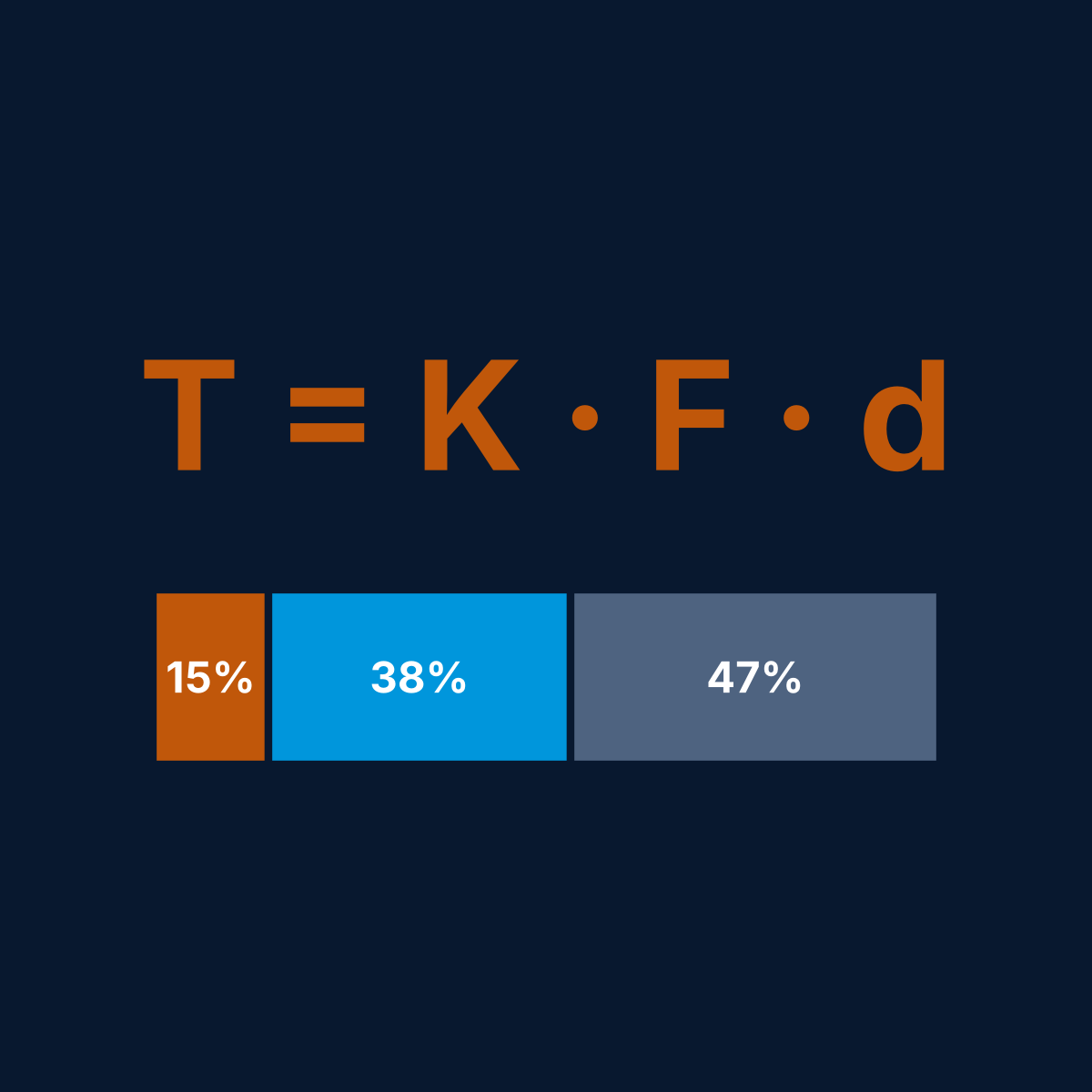
A bolt holds a joint together by clamping it. The clamping force is the preload: the tension the bolt carries after it has been tightened. Torque is only the way most people try to get there, and it is not a very accurate one. Most of the torque you put into a bolt is lost in friction, so the same torque can give very different preloads depending on the finish and the lubricant.
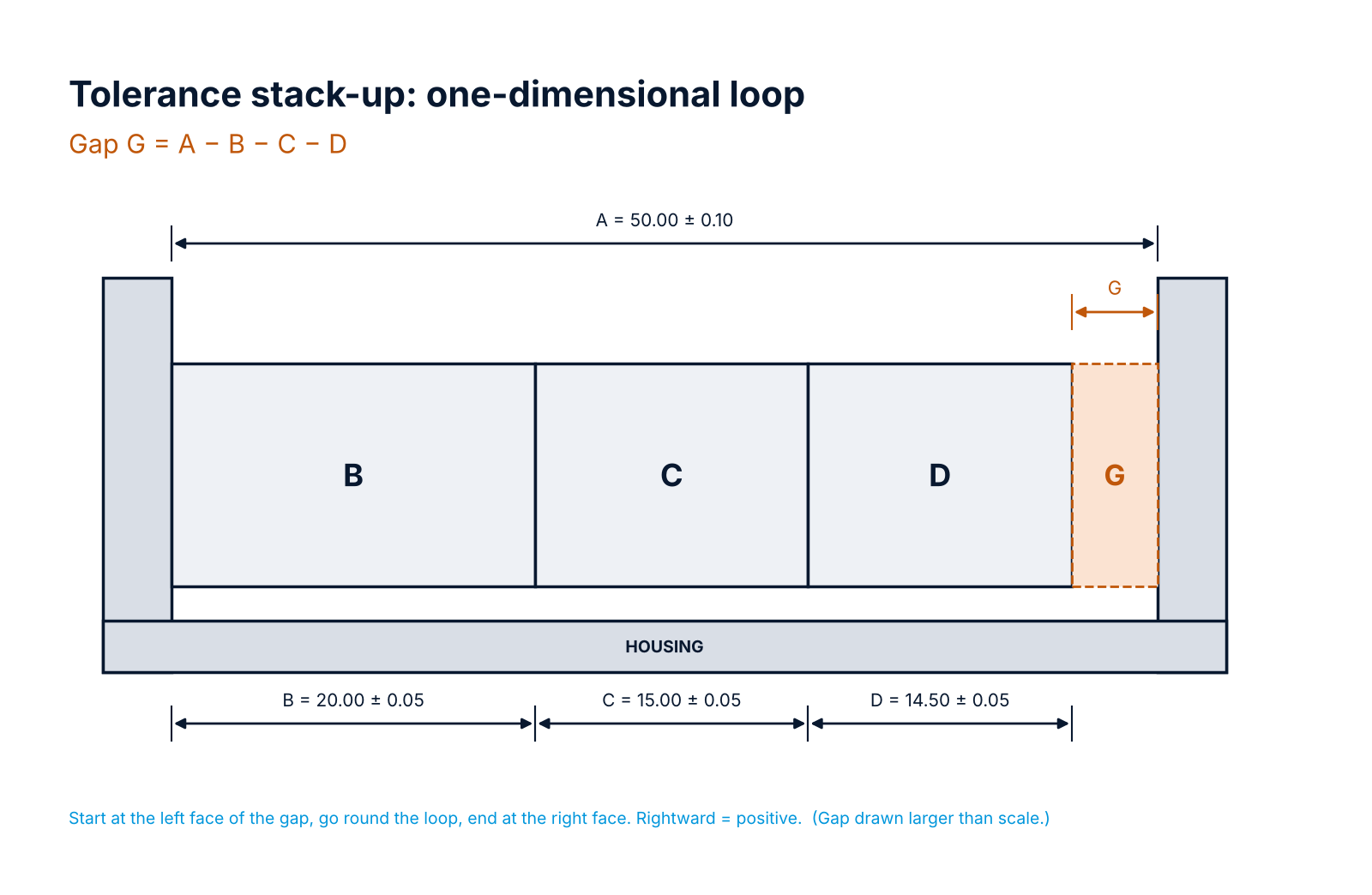
Every part that leaves a machine shop is slightly different from its drawing. On its own, each part can be well inside its tolerance. Put several of them together, though, and the small variations add up. A bearing ends up with no axial float, a cover does not close, or a shaft rubs on a housing that "should" have cleared it. A tolerance stack-up analysis finds these problems on paper, before the parts are made.
Who you work with
Proxom Engineering Ltd is a small UK design company. The person who quotes your project is the engineer who models it, checks it and draws it, so nothing gets lost between sales and engineering.
Design. Analyse. Deliver.
Send a sketch, a photo or a few lines about the part. You get a clear scope and a free quote.


